How to Reduce Garage Door Noise: A Comprehensive Guide for Azusa Residents

Understanding Garage Door Noise
Garage doors can be a significant source of noise in your home, especially if they are old or poorly maintained. Whether it’s the creaking of tracks or the clanging of components, noise can disrupt the peace in your garage and home. In this guide, we’ll explore effective ways to reduce garage door noise, providing you with practical solutions that are easy to implement.
Common Causes of Garage Door Noise
Before diving into solutions, it’s essential to understand what causes garage door noise. Not all sounds are created equal; identifying the source can help you address it effectively.
- Worn-out rollers: Old or damaged rollers can produce a grinding noise as they roll along the track.
- Loose hardware: Bolts and screws that are loose can cause rattling and banging sounds.
- Track misalignment: If the tracks are not aligned correctly, the door can make a scraping noise.
- Motor noise: Garage door openers can also generate noise, especially if they are older models.
- Weather-related issues: Temperature changes can affect the materials, leading to increased noise.
Practical Tips to Reduce Garage Door Noise
Now that you know the common causes, let’s look at some practical tips to reduce that noise:
1. Lubricate Moving Parts
Regular lubrication is essential for the smooth operation of your garage door. Use a silicone spray or a lithium-based grease on:
- Rollers
- Hinges
- Bearings
- Tracks
Lubricating these parts every few months can significantly reduce noise levels.
2. Replace Worn Components
If you notice that some parts of your garage door are worn out, consider replacing them. Focus on:
- Rollers: Switch to nylon rollers, which are quieter than steel ones.
- Hinges: Ensure they are tight and secure.
- Weather stripping: Replace any damaged stripping to minimize noise during operation.
3. Tighten Loose Hardware
Identify and tighten any loose screws or bolts on your garage door. Regular maintenance checks can prevent noise from loose components. Use a wrench or a socket set to ensure all hardware is secure.
4. Insulate Your Garage Door
Adding insulation not only keeps your garage temperature regulated but also dampens noise. You can:
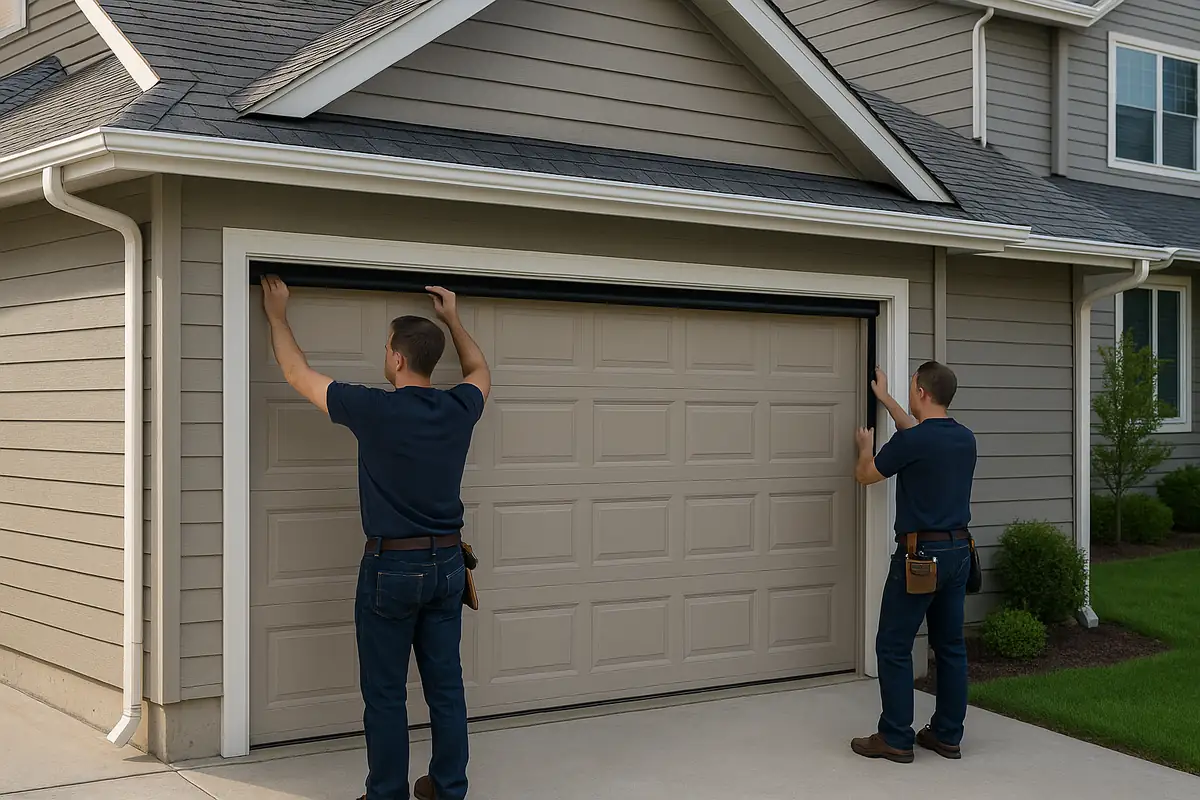
- Install foam board insulation inside the door panels.
- Use soundproofing mats or blankets if you’re looking for a temporary solution.
5. Install Rubber Pads
To further minimize sound, consider placing rubber pads under the garage door tracks. This cushioning effect helps absorb noise as the door operates.
When to Call a Professional
While many noise-reduction techniques can be done as DIY projects, some issues require professional help. If you notice:
- Persistent loud noises even after maintenance
- Signs of structural damage to the door
- Problems with the garage door opener
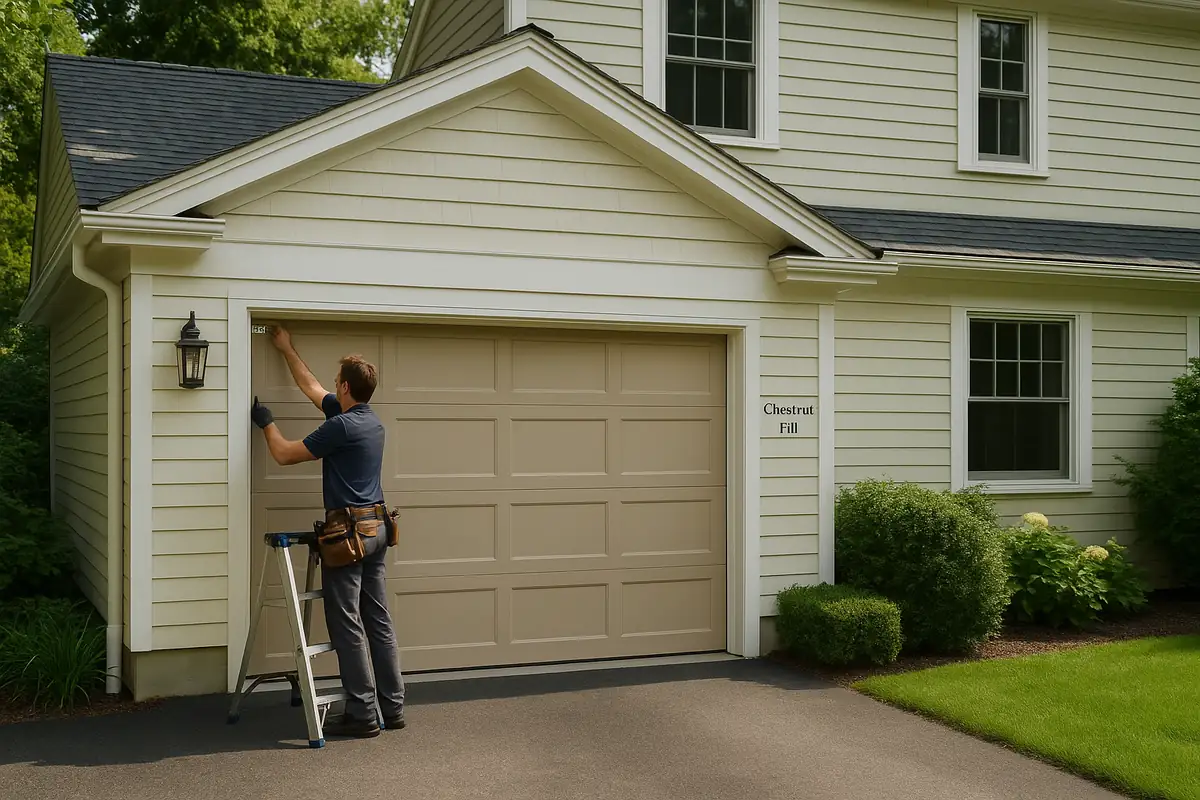
It’s best to contact a professional service like Azusa Garage Door Repair for an inspection and repair.
Statistics on Garage Door Noise
According to industry studies, nearly 35% of homeowners report noise from their garage doors as a significant concern. Additionally, over 40% of garage door issues stem from lack of maintenance, contributing to noise problems. Regular upkeep can greatly reduce these statistics.
Conclusion: Achieve a Quieter Garage Today!
Reducing garage door noise is not only beneficial for your peace of mind but also for the longevity of your garage door system. By following these practical steps, you can create a quieter, more comfortable environment in your Azusa home. If you need assistance or a professional touch, do not hesitate to reach out to Azusa Garage Door Repair. Our experts are ready to help you ensure a smooth and quiet operation of your garage door.
Explore More Resources
Related Articles
Our Services
Professional garage door repair, spring repair, opener installation and more. View all services →